
Atlanta, January 6, 2026
The capture of Venezuelan President Nicolás Maduro during a U.S. military operation has sparked varied responses in metro Atlanta, particularly within the local Venezuelan community. While some expressed relief for their safety, others protested the military intervention. The operation, marking a significant moment in U.S.-Venezuelan relations, also drew international condemnation from nations concerned about violations of sovereignty. As Maduro faces serious drug trafficking charges, the repercussions of this event resonate not only in Venezuela but also among its diaspora seeking stability and change.
Atlanta
Capture of Venezuelan President Nicolás Maduro Sparks Diverse Reactions in Metro Atlanta Amid Global Scrutiny
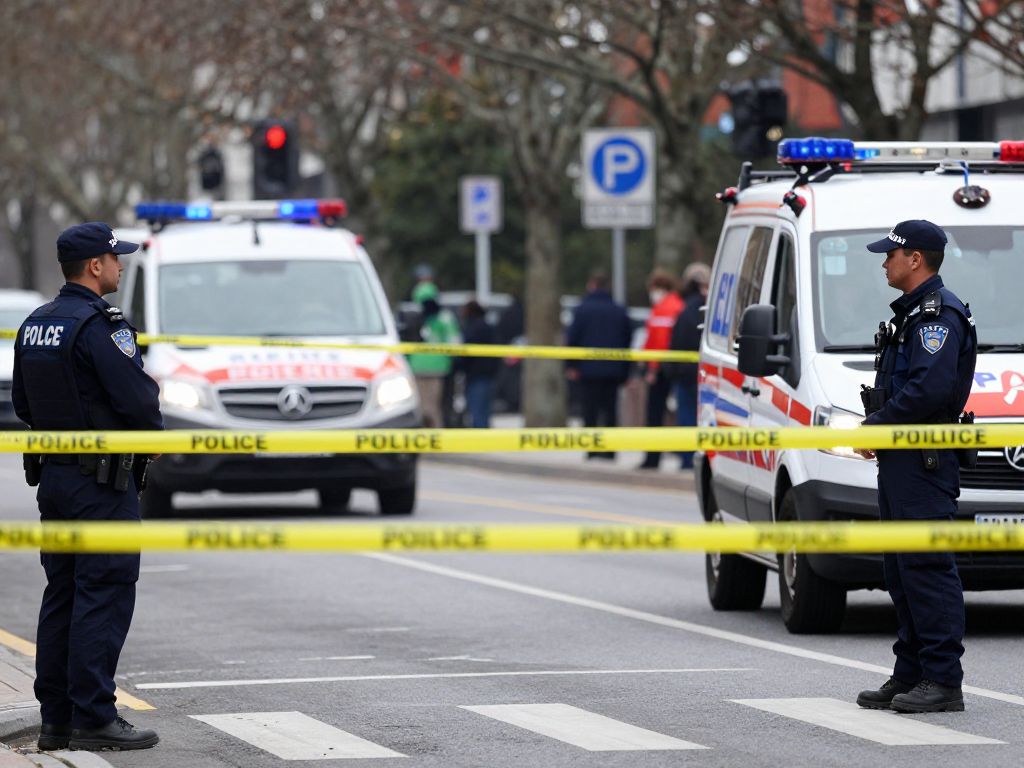
A United States military operation, codenamed Operation Absolute Resolve, led to the capture of Venezuelan President Nicolás Maduro and his wife, Cilia Flores, in a pre-dawn raid in Caracas on Saturday, January 3, 2026. This significant international event has reverberated across metro Atlanta, stirring a wide range of conversations and emotions within its substantial Venezuelan community. Maduro and Flores are now facing federal drug trafficking and related charges in a New York court.
The Operation’s Precise Execution and Aftermath Nationwide
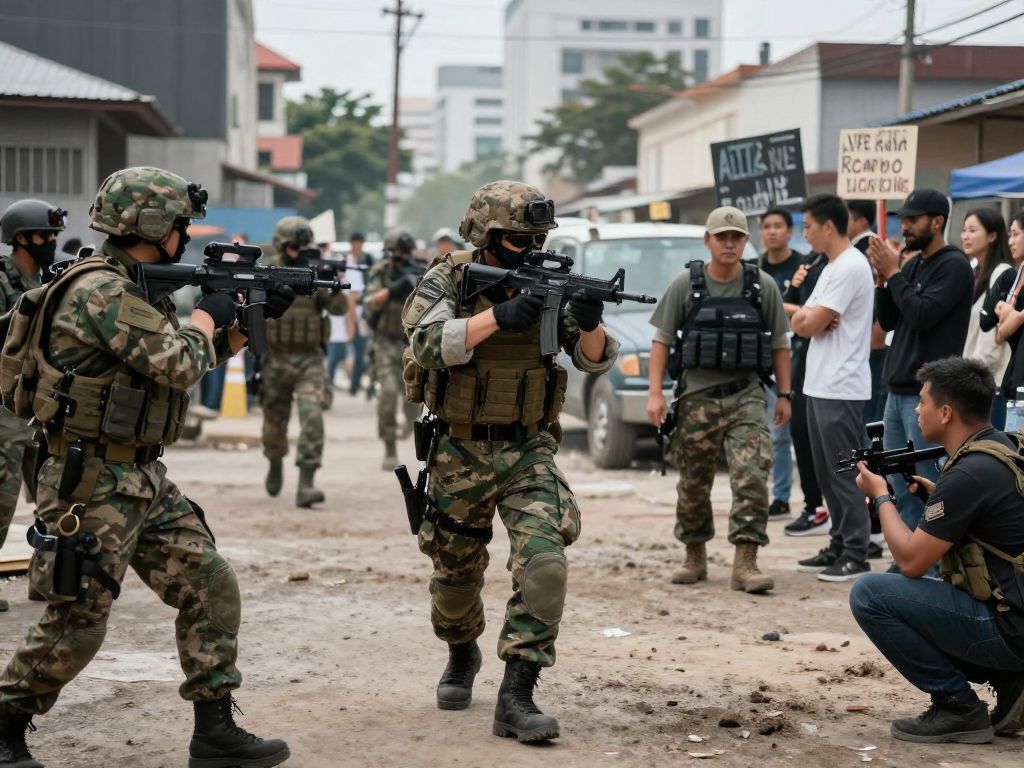
The apprehension of President Maduro was the culmination of a meticulously planned raid, executed by approximately 200 American personnel, including elite Delta Force commandos. Preparations for the operation spanned months, involving rigorous rehearsals on a replica of Maduro’s residence to anticipate various scenarios. The operation commenced around 2 a.m. local time, with fighter jets and bombers striking Venezuelan air defenses to clear a path for the ground forces. Upon breaching the compound, Maduro and Flores were apprehended before they could reach a fortified safe room, having been caught largely unaware. During the operation, several United States soldiers sustained injuries. Tragically, dozens of Venezuelans were killed, along with 32 Cuban citizens who served as part of Maduro’s security detail. This military intervention marks the largest such action by the United States in Latin America since the 1989 invasion of Panama.
Local Echoes in Metro Atlanta
The news of President Maduro’s capture ignited a diverse spectrum of responses across metro Atlanta. The human experience of this distant event found voice through individuals like Marcial Marquez, a resident of metro Atlanta, who conveyed profound gratitude for his family’s safety, living nearly 2,000 miles from the unfolding events in Venezuela. The capture has noticeably fueled ongoing conversations within the metropolitan area. While some rallygoers in metro Atlanta publicly protested the United States strike in Venezuela, highlighting varied perspectives on the intervention, Georgia lawmakers also offered their reactions to the capture of the Venezuelan President, reflecting the event’s broad local impact.
Global Reverberations and Diplomatic Strain Nationwide
Internationally, the military operation elicited a wide array of reactions. The United Nations expressed deep alarm regarding the United States action, suggesting potential violations of international law and the establishment of a “dangerous precedent” for state sovereignty. Major global powers such as China and Russia, alongside Spain and several Latin American nations, issued condemnations, framing the operation as an infringement on national sovereignty and international law. Even some allies of the United States, including Denmark, voiced concerns about the inviolability of national borders, underscoring the delicate balance of international norms. Conversely, within the United States, figures such as House Speaker Mike Johnson characterized the mission as both “decisive and justified,” aligning with perspectives that viewed it as a necessary action.
The Diaspora’s Complex Hopes and Lingering Fears Nationwide
For the approximately eight million Venezuelans residing abroad, many of whom sought refuge from their homeland’s profound struggles, the news of Maduro’s capture brought a complex interplay of jubilation and deep caution. Many who fled years of economic devastation and political repression are not planning an immediate return, citing Venezuela’s severely tattered economy and the continued presence of elements of the regime’s security apparatus. The appointment of Maduro’s former deputy, Delcy Rodríguez, as acting president has further tempered expectations for an immediate and transformative change, as key figures from the previous administration remain in positions of power. Concerns also emerged among some in the diaspora regarding the apparent sidelining of opposition leader María Corina Machado from discussions concerning a political transition. Adding to the complexity of the situation for Venezuelans in the United States, hundreds of thousands had previously faced the loss of Temporary Protected Status (TPS) protections under the Trump administration, intensifying their existing uncertainties.
A History of Strained Relations and Humanitarian Crisis Nationwide
The capture of President Maduro marks a significant point in a history of escalating tensions between the United States and Venezuela. Nicolás Maduro assumed the presidency in 2013 following the death of Hugo Chávez, inheriting a nation that subsequently plunged into a deep economic and humanitarian crisis, characterized by hyperinflation, a dramatic decline in oil production, and widespread human rights abuses. This period saw approximately 7.1 million Venezuelans flee the country by November 2022. The United States, along with numerous international partners, ceased recognizing Maduro as Venezuela’s legitimate president following widely disputed elections in 2018 and 2024, citing allegations of fraud. Prior to the capture, the United States had intensified a pressure campaign against his government, which included the imposition of economic sanctions and a notable military buildup in the Caribbean region. United States officials accused Maduro of extensive involvement in drug trafficking and corruption, asserting that he and Cilia Flores participated in a narco-terrorism conspiracy, facilitating multi-ton shipments of FARC-produced cocaine and coordinating with international drug traffickers.
Frequently Asked Questions
Q: What was the primary event that occurred on January 3, 2026?
A: A United States military operation, codenamed Operation Absolute Resolve, captured Venezuelan President Nicolás Maduro and his wife, Cilia Flores, in a pre-dawn raid in Caracas on Saturday, January 3, 2026.
Q: What charges are Nicolás Maduro and Cilia Flores facing Nationwide?
A: Nicolás Maduro and Cilia Flores are now facing federal drug trafficking and related charges in a New York court.
Q: How did Venezuelans in metro Atlanta react to the capture State-level?
A: The capture of President Maduro ignited a spectrum of responses across metro Atlanta. Marcial Marquez, a resident of metro Atlanta, conveyed his deep gratitude for his family’s safety, living nearly 2,000 miles from the unfolding events in Venezuela. This event has fueled ongoing conversations within the community. While some rallygoers in metro Atlanta voiced protest against the US strike in Venezuela, reflecting divergent views on the intervention, Georgia lawmakers also offered their reactions to the capture of the Venezuelan President.
Q: What was the international reaction to the capture of President Maduro Nationwide?
A: The international community offered a range of reactions. The United Nations expressed deep alarm, citing potential violations of international law and the establishment of a “dangerous precedent.” Countries such as China, Russia, Spain, and several Latin American nations condemned the operation as an infringement on national sovereignty. Even some US allies, like Denmark, expressed concerns regarding the inviolability of borders. Conversely, House Speaker Mike Johnson characterized the mission as “decisive and justified.”
Q: Why are many Venezuelans abroad cautious about returning to Venezuela Nationwide?
A: Many, having fled years of economic devastation and repression, harbor no immediate plans for a mass return, citing the country’s severely damaged economy and the continued presence of elements of the regime’s security apparatus. Maduro’s former deputy, Delcy Rodríguez, was sworn in as acting president, which further tempers expectations for immediate, significant change. The sidelining of opposition leader María Corina Machado from transition discussions also raised concerns among some in the diaspora.
Key Aspects of the Venezuelan Presidential Capture
| Feature | Description | Geographic Scope |
|---|---|---|
| Date of Capture | Saturday, January 3, 2026 | Nationwide |
| Captured Individuals | Venezuelan President Nicolás Maduro and his wife, Cilia Flores | Nationwide |
| Operation Name | Operation Absolute Resolve | Nationwide |
| Charges Filed | Federal drug trafficking and related charges | Nationwide |
| Local Reaction in Metro Atlanta | Diverse responses, including gratitude for family safety, community conversations, protests against the US strike, and reactions from Georgia lawmakers. | State-level |
| International Reactions | Condemnations from UN, China, Russia, Spain, Latin American nations; concerns from US allies; support from some US officials. | Nationwide |
| Venezuelan Diaspora Response | Mixed joy and caution, reluctance for immediate return due to economic conditions and lingering political concerns. | Nationwide |
| Acting President of Venezuela | Delcy Rodríguez (Maduro’s former deputy) | Nationwide |
Deeper Dive: News & Info About This Topic
HERE Resources
Nicolás Maduro Captured During US Military Operation
U.S. Strike Leads to Maduro’s Capture and Protests in Atlanta

Author: STAFF HERE ATLANTA WRITER
The ATLANTA STAFF WRITER represents the experienced team at HEREAtlanta.com, your go-to source for actionable local news and information in Atlanta, Fulton County, and beyond. Specializing in "news you can use," we cover essential topics like product reviews for personal and business needs, local business directories, politics, real estate trends, neighborhood insights, and state news affecting the area—with deep expertise drawn from years of dedicated reporting and strong community input, including local press releases and business updates. We deliver top reporting on high-value events such as vibrant music festivals like Shaky Knees and Music Midtown, major cultural celebrations including Dragon Con and the Atlanta Film Festival, and iconic sporting events like the Peachtree Road Race. Our coverage extends to key organizations like the Metro Atlanta Chamber of Commerce and the Atlanta Convention & Visitors Bureau, plus leading businesses in logistics, beverages, and retail that power the local economy such as Delta Air Lines, The Coca-Cola Company, and The Home Depot. As part of the broader HERE network, including HEREAugusta.com and HERESavannah.com, we provide comprehensive, credible insights into Georgia's dynamic landscape.