
Atlanta, January 17, 2026
A police emergency at Emory University and CDC campus in Atlanta arose from a mistaken report of armed individuals, who turned out to be HVAC workers. The rapid response ensured safety, highlighting the intense reactions triggered by perceived threats. This incident serves as a reminder of the complexities in emergency response and the role of perception in crisis situations.
Atlanta
A significant police emergency unfolded at the Emory University and Centers for Disease Control and Prevention (CDC) campus in Atlanta on January 16, 2026, sparked by a 911 caller who mistakenly identified HVAC workers as armed gunmen. The rapid and extensive law enforcement response, triggered by a grave misunderstanding, ultimately concluded without any actual threat to public safety, revealing the often-intense, instinctive human reactions that arise when potential danger is perceived. The incident, while resolved peacefully, offers a quiet moment for reflection on vigilance, the mechanisms of emergency response, and the profound human impact of perception in critical moments.
An Alarm Sounded, A City Responded
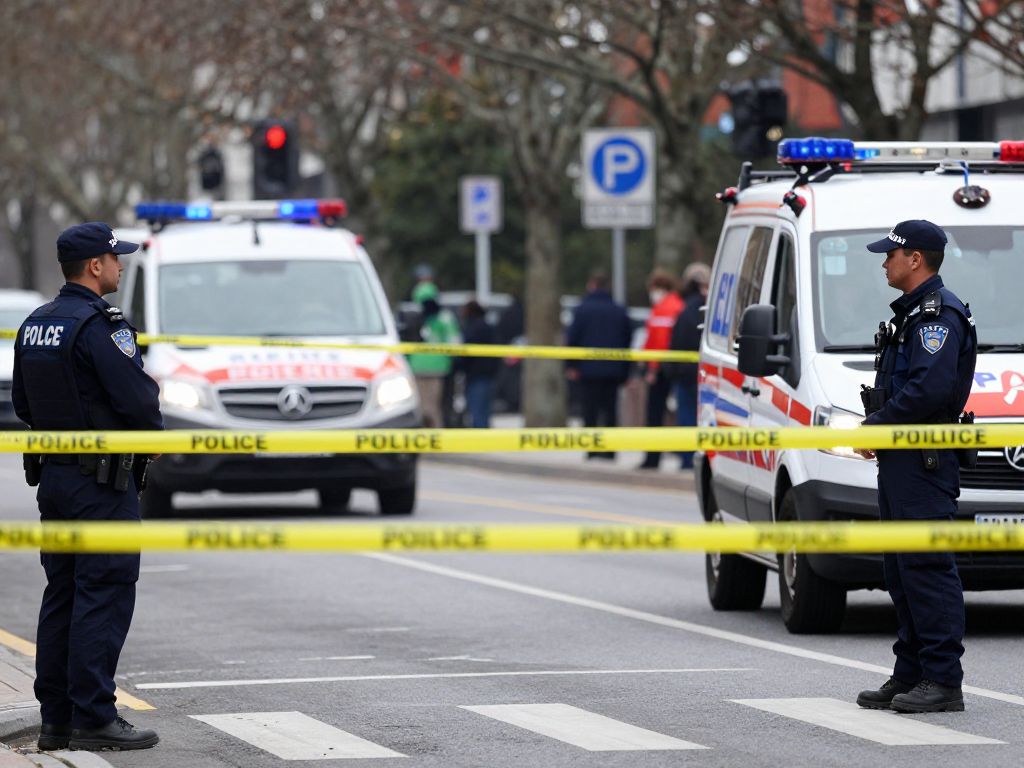
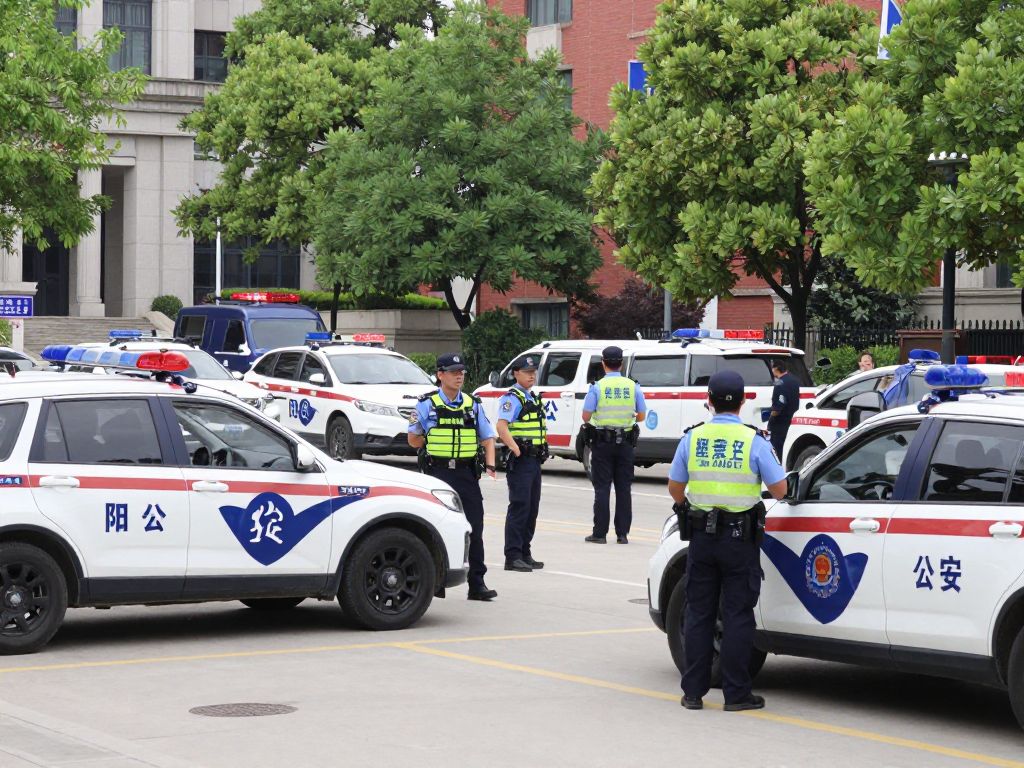
On the afternoon of January 16, an urgent 911 call was placed from the sprawling academic and public health complex. The caller reported individuals on the Emory and CDC campus, believed to be armed, prompting immediate and widespread concern. In a society increasingly attuned to the fragility of peace, such a report activates the most rigorous protocols. Law enforcement agencies, including local police and potentially federal assets given the CDC’s national significance, mobilized with decisive speed. Their response was comprehensive, designed to neutralize any perceived threat and secure the safety of the thousands who work, study, and visit these vital institutions. The sight of emergency vehicles converging, officers taking defensive positions, and the palpable tension that permeates such scenes, are a testament to the gravity with which these alerts are treated. It is a necessary, if sometimes stark, display of a community’s commitment to self-preservation.
The Unveiling of Routine Work
As trained officers meticulously swept the reported areas, the nature of the supposed threat began to clarify. The figures, initially perceived through the lens of alarm, were revealed to be HVAC workers engaged in their regular maintenance duties. Their tools and equipment, essential to maintaining the intricate climate control systems of large institutional buildings, had been tragically mistaken for weaponry. This moment of recognition, transitioning from apprehension to understanding, underscores the inherent difficulty in discerning reality under duress. It speaks to the human capacity for both acute vigilance and unwitting misjudgment, particularly when confronted with the unknown and the potentially dangerous. The orderly resolution of the situation, without harm to any individual, is a credit to the disciplined approach of the responding officers and the eventual clarity that emerged from diligent investigation.
Reflecting on Preparedness and Perception
The incident at Emory and the CDC serves as a poignant case study in the intersection of public safety, institutional operations, and the human element of perception. Institutions like Emory University, a hub of education and research, and the CDC, at the forefront of global health, are places of vital importance, requiring robust security measures. Their daily function relies on a delicate balance of accessibility for legitimate purposes and impregnability against malevolent intent. This event, though born of an error, validates the necessity of swift emergency response systems, even as it quietly urges a deeper understanding of how perceptions can form and escalate.
Such occurrences invite a broader reflection on the psychological landscape of modern life, where the ever-present hum of potential threats can sharpen senses to a point of over-interpretation. The earnest concern of the 911 caller, while ultimately mistaken, reflects a commendable impulse to protect. Similarly, the rapid and thorough response by law enforcement exemplifies a foundational trust placed in them by society—a trust that they will act, with courage and precision, when called upon. The episode, ultimately harmless, subtly illuminates the unseen dedication of countless individuals, from maintenance staff ensuring daily comforts to emergency personnel standing guard, all contributing to the intricate tapestry of a functioning, safe society. It reminds us that behind every headline, even one of misunderstanding, lies a story of human action, motive, and consequence, deserving of thoughtful consideration.
Frequently Asked Questions
- What happened at the Emory and CDC campus in Atlanta on January 16, 2026?
- A significant police emergency unfolded, sparked by a 911 caller who mistakenly identified HVAC workers as armed gunmen.
- Who was involved in the misunderstanding?
- HVAC workers performing their duties were mistaken for gunmen by a 911 caller.
- What was the outcome of the police emergency?
- The incident concluded without any actual threat to public safety, with officers determining that the perceived gunmen were maintenance workers.
- When did this event occur?
- The event occurred on January 16, 2026.
- Where did the police emergency take place?
- The police emergency took place at the Emory University and Centers for Disease Control and Prevention (CDC) campus in Atlanta.
Key Features of the Event
| Feature | Detail |
|---|---|
| Event Type | Police Emergency / False Alarm |
| Date | January 16, 2026 |
| Location | Emory University and CDC Campus, Atlanta |
| Initial Report | 911 caller mistakenly identified HVAC workers as armed gunmen |
| Actual Situation | HVAC workers performing maintenance duties |
| Outcome | Resolved peacefully, no actual threat or harm |
Deeper Dive: News & Info About This Topic
HERE Resources
Chemical Fire Contained at Forest Park Plant
Two Individuals Shot at Atlanta Warming Center
Fire Crews Respond to Vacant House Fire in Atlanta
Tragedy Strikes Panthersville as Man Dies in Shooting
Shooting Incident on Jonesboro Road in Atlanta
Atlanta Navigates a Span of Gun Violence, Investigations Underway
Man Shot in Neck Near Liquor Store in Southeast Atlanta
Man Fatally Shot in DeKalb County, Georgia
Investigation Launched into Bomb Threat at Atlanta Hotel
Georgia Woman Pleads Guilty to Husband’s Killing

Author: STAFF HERE ATLANTA WRITER
The ATLANTA STAFF WRITER represents the experienced team at HEREAtlanta.com, your go-to source for actionable local news and information in Atlanta, Fulton County, and beyond. Specializing in "news you can use," we cover essential topics like product reviews for personal and business needs, local business directories, politics, real estate trends, neighborhood insights, and state news affecting the area—with deep expertise drawn from years of dedicated reporting and strong community input, including local press releases and business updates. We deliver top reporting on high-value events such as vibrant music festivals like Shaky Knees and Music Midtown, major cultural celebrations including Dragon Con and the Atlanta Film Festival, and iconic sporting events like the Peachtree Road Race. Our coverage extends to key organizations like the Metro Atlanta Chamber of Commerce and the Atlanta Convention & Visitors Bureau, plus leading businesses in logistics, beverages, and retail that power the local economy such as Delta Air Lines, The Coca-Cola Company, and The Home Depot. As part of the broader HERE network, including HEREAugusta.com and HERESavannah.com, we provide comprehensive, credible insights into Georgia's dynamic landscape.