
Atlanta, GA, September 22, 2025
News Summary
Metro Atlanta is experiencing significant drought conditions, with over 77% of Georgia classified as ‘abnormally dry.’ The region has seen its longest dry spell in recorded history, putting stress on agriculture and elevating concerns for local farmers. A cold front is expected to bring much-needed rain, but predictions suggest that drier conditions may persist through December. The psychological impact of these weather patterns on farmers is profound, as they fear for their crop yields in an unpredictable climate.
Metro Atlanta Faces Severe Drought Conditions as Rain Approaches
Metro Atlanta is facing worsening drought conditions, currently classified as a moderate drought by the latest Drought Monitor. While Monday marks the astronomical First Day of Fall at 2:19 p.m., summer-like weather persists, with afternoon temperatures expected to reach the mid to upper 80s, remaining warm and largely dry. A cold front is anticipated to push through Georgia on Thursday, forecasted to bring much-needed rain and the possibility of showers and storms.
According to recent reports, over 77% of Georgia is classified as “abnormally dry,” with the drought conditions emerging notably in parts of metro Atlanta and southwest Georgia. The area has experienced a significant reduction in rainfall, deteriorating conditions since last month. Atlanta recorded its longest dry spell of 27 days without more than a tenth of an inch of rain, while Columbus experienced a similar dry streak lasting 28 days.
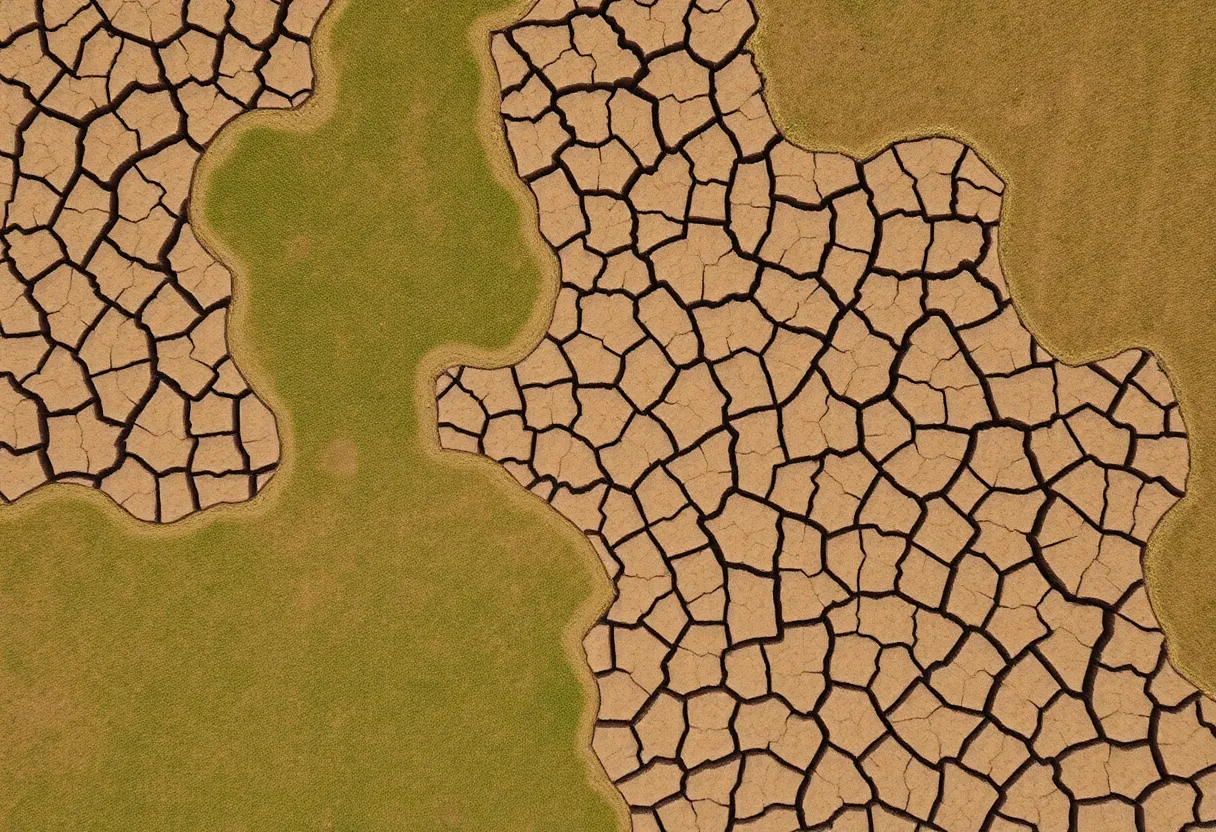
The ongoing “flash drought” has dried out yards and posed significant challenges for Georgia farmers during the critical harvest season. Higher temperatures this September have worsened drought conditions by increasing evapotranspiration, leading to further reductions in soil moisture. The National Weather Service indicates a lack of rainfall across various towns in Georgia, with many areas experiencing dry spells approaching 20 days.
Impact on Agriculture
A study published in Water Resources Research points out that the southeastern U.S. is highly susceptible to flash droughts, impacting farmers across the region. Cotton farmers in Middle and South Georgia are particularly impacted, with earlier crops showing better results than those requiring more water. Similarly, peanut farmers are reporting challenging harvesting conditions due to the hard, parched soils adversely affecting their yields.
As anticipated, a cold front is expected to arrive late Wednesday, potentially bringing rainfall ranging from half an inch to two inches from Thursday through Friday. However, forecasts also indicate that drier than normal conditions may persist across most of Georgia through December. The ongoing Atlantic hurricane season could provide some relief, although predictions remain uncertain.
Psychological Stress for Farmers
The psychological toll on Georgia’s farmers is substantial due to unpredictable weather patterns, coupled with concerns over crop yields. The persistent drought could extend into the winter months, particularly with a predicted La Niña pattern expected to bring warmer and drier conditions. Currently, no water restrictions are in effect, but officials are closely monitoring the situation as drought conditions continue to worsen.
Frequently Asked Questions
- When is the astronomical First Day of Fall?
- Monday at 2:19 p.m. will mark the astronomical First Day of Fall.
- What are the current drought conditions in Georgia?
- Currently, parts of metro Atlanta are in a moderate drought, as declared by the latest Drought Monitor. Over 77% of Georgia is classified as “abnormally dry.”
- How long was Atlanta’s longest dry spell?
- Atlanta recorded its longest dry spell of 27 days without more than a tenth of an inch of rain.
- What are the expected rainfall amounts from the upcoming cold front?
- A cold front is likely to arrive late Wednesday, with rainfall potential of half an inch to two inches from Thursday through Friday.
- Are there currently any water restrictions in Georgia?
- Currently, there are no water restrictions in place, but the situation is being closely monitored as drought conditions worsen.