
Atlanta, September 12, 2025
News Summary
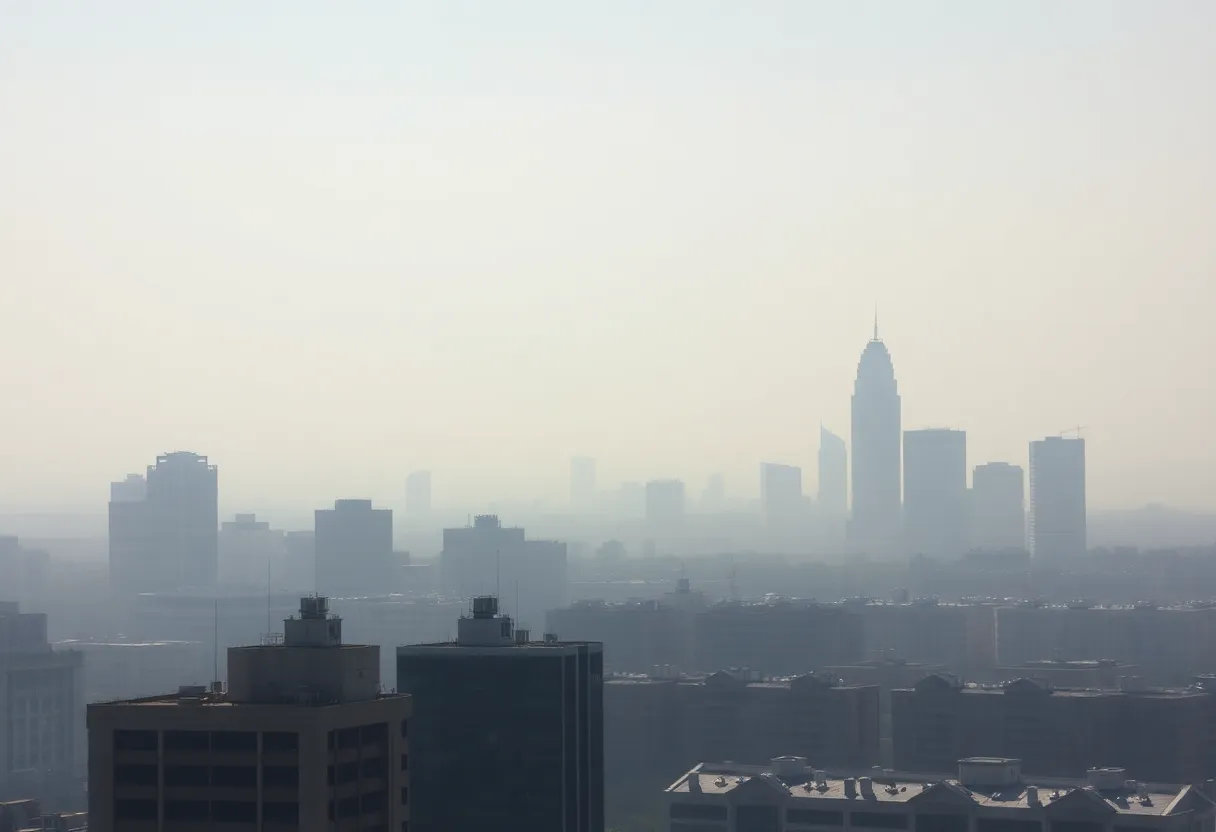
Metro Atlanta is facing a Code Orange air quality alert due to unhealthy ozone levels, affecting sensitive groups such as children and those with respiratory issues. The alert, communicated to authorities, warns that ozone levels may peak during the late afternoon. Residents are advised to limit outdoor activities. A recent report highlights a worsening trend in Atlanta’s air quality, ranking the city poorly for ozone pollution in the Southeast and raising health concerns among officials.
Atlanta – A Code Orange air quality alert has been issued for metro Atlanta due to unhealthy ozone levels, effective September 12, 2025, as announced by the Georgia Environmental Protection Division. The alert, which affects sensitive groups, was communicated to the National Weather Service (NWS) on September 11 at 1:48 PM EDT. Under this alert, the Air Quality Index (AQI) indicates levels from 101 to 150, signifying that air quality could be harmful to children, older adults, and individuals with respiratory or cardiac conditions.
The NWS recommends that people in sensitive categories limit outdoor activities, particularly during the late afternoon to early evening hours when ozone levels are expected to peak. The forecast indicates an AQI of 101 for metro Atlanta on September 12, signaling an urgent message for those at risk.
This issue is not limited to Atlanta alone, as the Code Orange alert also extends to Cherokee, Paulding, Hall, and Douglas counties. The presence of ground-level ozone typically arises from the interaction of sunlight with pollutants such as nitrogen oxides and volatile organic compounds. Contributing factors include emissions from vehicles and industrial processes, as well as prevalent weather conditions that contribute to pollution being trapped close to the ground.
Following the alert, health officials are advising communities to maintain local air quality guidelines to mitigate health risks associated with poor air quality. As the region is projected to experience continued dry weather with temperatures in the low 90s in the coming days, residents are urged to take the necessary precautions.
Concerns about Atlanta’s air quality are substantiated by a recent report from the American Lung Association, which highlights that the city has seen a deterioration in air quality over the past year. Atlanta was found to rank as the third worst for ozone pollution in the Southeast, with the frequency of unhealthy ozone days increasing from an average of 1.8 days to 5.5 days per year. The report also cited that Atlanta now holds a troubling rank of 48th out of 228 cities nationally concerning ozone pollution, marking a drop from an initial grade of C to an F grade.
Furthermore, the report identified that Atlanta is tied for fourth place in the Southeast for high year-round particle pollution levels. Approximately 10% of air pollution in the Atlanta region stems from transportation, as indicated by the Atlanta Regional Commission. Alarmingly, experts have raised several health concerns, asserting that the poor air quality could exacerbate existing conditions such as asthma and heart disease among vulnerable populations.
There are ongoing calls for policymakers to transition toward strategies that could enhance air quality and bolster federal efforts, including those from the U.S. Environmental Protection Agency, to combat air pollution and promote healthier living conditions within the city’s population.
FAQ
What is a Code Orange air quality alert?
A Code Orange air quality alert indicates that air quality is unhealthy for sensitive groups, which may include children, older adults, and people with heart or lung conditions.
What should sensitive groups do during a Code Orange alert?
Sensitive groups should limit prolonged outdoor exertion, particularly in the late afternoon or early evening when ozone levels are typically highest.
What are the main contributors to poor air quality in Atlanta?
Vehicle emissions, industrial activities, and weather conditions that trap pollutants near the surface are key contributors to the area’s poor air quality.
How has air quality in Atlanta changed recently?
According to a recent report, air quality in Atlanta has worsened, with the average number of unhealthy days for ozone pollution increasing from 1.8 to 5.5 days per year.
Key Features of Atlanta’s Air Quality Status
| Feature | Description |
|---|---|
| Alert Level | Code Orange |
| Affected Regions | Metro Atlanta, Cherokee, Paulding, Hall, Douglas counties |
| AQI Range | 101 to 150 |
| Health Recommendations | Limit outdoor activities, especially in late afternoon |
| Primary Pollutants | Nitrogen oxides, volatile organic compounds |
| Transportation Contribution | 10% of air pollution |
| Historical Ozone Days | Average increased from 1.8 to 5.5 unhealthy days |
Deeper Dive: News & Info About This Topic
HERE Resources
New Upscale Dining Experience Launches in Atlanta
Code Orange Air Quality Alert Issued in Atlanta
Best retirement communities Atlanta for active 55+ seniors: costs, amenities & how to choose in 2025
Best commercial cleaning services Atlanta for small businesses: affordable office cleaning, hourly rates & what to expect
CBS Atlanta Launches First AR/VR News Studio in Atlanta
Concerns Grow Over Hartsfield-Jackson Airport Navigation
Atlanta Public Schools Considers Closing 17 Schools
Atlanta Public Schools Evaluates Possible School Closures
Atlanta Falcons Trim Roster Ahead of NFL Deadline
New Morning Show Launches on Star 94.1 in Atlanta
Additional Resources
- Patch: Code Orange Air Quality Alert Declared for GA
- Wikipedia: Air Quality
- Cobb County Courier: Code Orange Air Quality Alert in Metro Atlanta
- Google Search: Atlanta air quality
- Georgia Recorder: Atlanta Air Quality Gets Failing Grade
- Encyclopedia Britannica: Air Pollution
- Fox 5 Atlanta: Atlanta Air Quality Worst in Southeast
- Newsweek: Thousands of Children in Atlanta Limited due to Air Quality
- Weather.com: Atlanta Air Quality Forecast


Author: STAFF HERE ATLANTA WRITER
The ATLANTA STAFF WRITER represents the experienced team at HEREAtlanta.com, your go-to source for actionable local news and information in Atlanta, Fulton County, and beyond. Specializing in "news you can use," we cover essential topics like product reviews for personal and business needs, local business directories, politics, real estate trends, neighborhood insights, and state news affecting the area—with deep expertise drawn from years of dedicated reporting and strong community input, including local press releases and business updates. We deliver top reporting on high-value events such as vibrant music festivals like Shaky Knees and Music Midtown, major cultural celebrations including Dragon Con and the Atlanta Film Festival, and iconic sporting events like the Peachtree Road Race. Our coverage extends to key organizations like the Metro Atlanta Chamber of Commerce and the Atlanta Convention & Visitors Bureau, plus leading businesses in logistics, beverages, and retail that power the local economy such as Delta Air Lines, The Coca-Cola Company, and The Home Depot. As part of the broader HERE network, including HEREAugusta.com and HERESavannah.com, we provide comprehensive, credible insights into Georgia's dynamic landscape.