
The Environmental Impact of Durable Structural Connections
Durable structural connections play a pivotal role in the construction industry. They are essential in ensuring the integrity, longevity, and sustainability of structures. The concept of durable connections encompasses various methods and materials designed to withstand environmental stressors and mechanical loads, significantly impacting construction practices. This article focuses on the environmental impacts associated with these connections, particularly the Durable Tension Fabric Connections (DTFC), which are gaining traction for their sustainability advantages.
Understanding Durable Connections
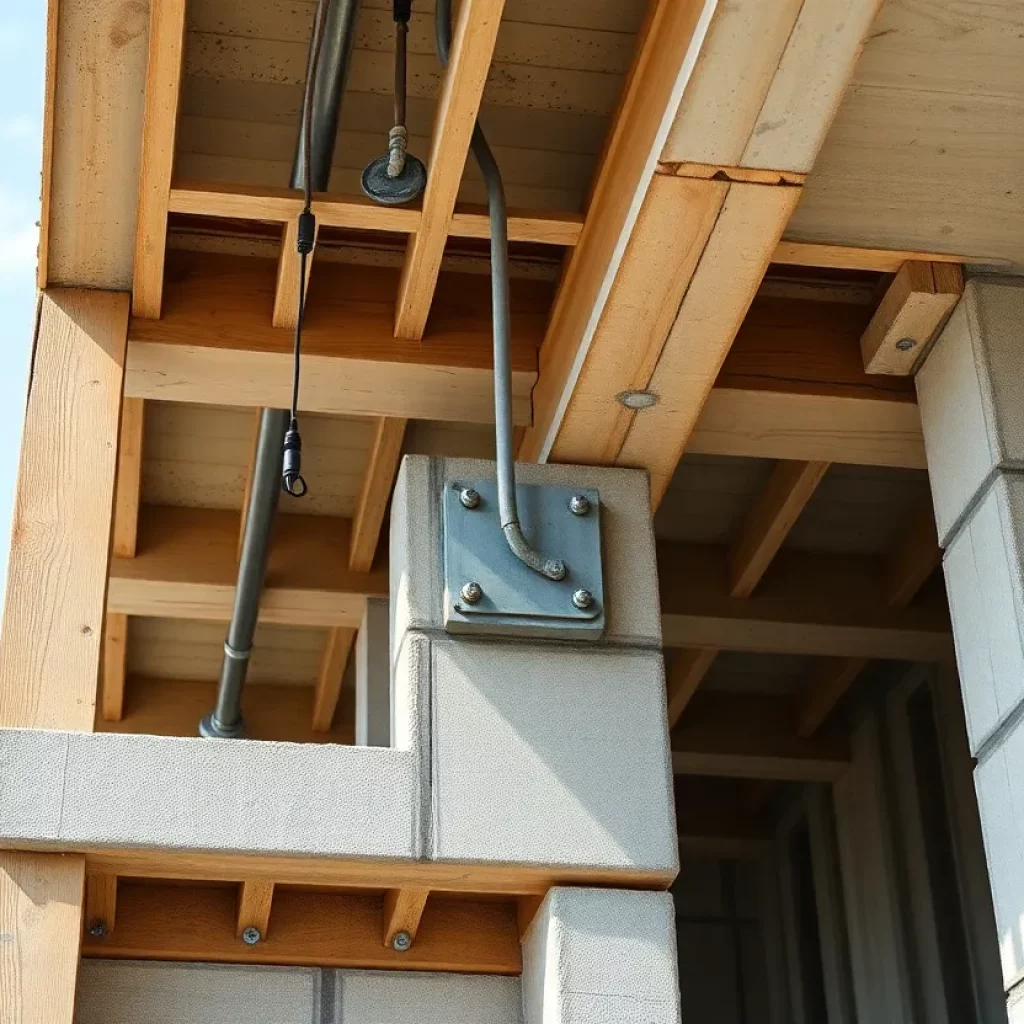
Structural connections are crucial in the assembly of materials in building structures. Durable connections are designed to last through extended periods, reducing maintenance costs and resource consumption over time. The durability of these connections directly correlates with their material composition, design sophistication, and the technology involved in their implementation.
The Role of Material Selection
Material selection is fundamental in minimizing the environmental impacts of durable structural connections. Robust materials, such as high-grade steel or advanced composites, offer superior strength while reducing the need for frequent repairs or replacements. Sustainable materials like recycled steel or fiber-reinforced polymers are increasingly used to enhance durability while lessening the environmental footprint.
Design Innovations Affecting Environmental Impact
Modern design innovations focus on creating structural connections that maximize durability with minimal material waste. By optimizing connection designs, engineers can reduce the amount of material needed, thus lessening the overall environmental impact. Techniques such as computational design and advanced modeling contribute to these efficiencies.
Environmental Benefits of Durable Connections
The environmental impact of utilizing durable connections is multifaceted. Below are the primary benefits:
1. Longevity and Lifecycle Advantages
Structuring buildings and infrastructure with durable connections leads to increased lifespan. Longer-lasting structures mean that fewer resources are needed over time to maintain or repair them. This directly translates to reduced material consumption, which is a significant environmental benefit.
2. Reduced Waste Generation
Durable connections minimize the frequency of construction redevelopment or retrofitting, thereby generating less waste. The environmental costs associated with manufacturing and disposing of materials are significantly reduced. Consequently, there is less debris and harmful materials polluting the environment.
3. Reduced Energy Consumption
Fewer repairs and maintenance activities equate to less energy consumption in the long run. Utilizing DTFC and other durable solutions decreases the energy intensity normally required for construction, repairs, and the lifecycle management of structures.
Durable Tension Fabric Connections (DTFC)
DTFC is a pioneering structural connection method leveraging durable, lightweight fabrics engineered for high tensile strength. They provide significant benefits over traditional materials.
Advantages of DTFC
1. Lightweight Nature: The lightweight aspect of DTFC reduces the overall load on structural systems. This can lead to more efficient material usage and reduced energy consumption in manufacturing.
2. Cost Effectiveness: While the upfront cost could be higher, the long-term savings due to durability and reduced maintenance costs often outweigh initial investments.
Sustainability through DTFC
DTFC contributes to a circular economy by using materials optimized for energy efficiency and long-term function. They educate stakeholders about the benefits of incorporating sustainable materials and practices in construction.
The Life Cycle Assessment of Durable Connections
Conducting a life cycle assessment (LCA) provides a systematic evaluation of the environmental impacts associated with durable connections. By analyzing the entire lifecycle—production, construction, maintenance, and demolition—one gains valuable insights into where improvements can be made.
1. Production Phase
During production, it is crucial to consider resource extraction, energy consumption, and emissions produced in making durable connections. Utilizing recycled materials in manufacturing allows for a reduced overall environmental burden.
2. Construction Phase
The construction phase benefits from durable connections through their ease of installation and reduced need for heavy machinery. This not only decreases emissions during construction but also leads to quicker project turnover, reducing the overall environmental impact.
3. End-of-Life Considerations
Understanding the implications of disposal is essential. Durable connections that can be reused, recycled, or repurposed at the end of their life contribute positively to sustainability goals by closing the material loop in construction.
Challenges and Considerations
Despite the significant advantages, there are challenges associated with implementing durable connections and DTFC.
1. Initial Costs
The initial costs can be prohibitive for many construction projects. However, it is essential to view this as an investment rather than a cost, considering the long-term benefits.
2. Knowledge and Experience
There is often a lack of familiarity and experience with advanced connection technologies. Training and education of engineers and architects are crucial to overcoming this gap.
3. Regulations and Standards
Regulatory frameworks can pose challenges. Ensuring that durable structural connections meet current building codes while promoting innovation in connection design is essential.
Final Thoughts
In conclusion, the environmental impact of durable structural connections is profound. Advances in technology and material science focusing on durability, such as DTFC, provide promising solutions for sustainable construction practices. Implementing technologies that enhance durability not only contributes to environmental sustainability but also offers long-term economic benefits.
As construction practices evolve, incorporating durable connections will become increasingly important for meeting sustainability goals while addressing the challenges posed by climate change. By prioritizing durable connections, stakeholders can contribute positively to the environment while ensuring the safety and integrity of built infrastructure.

Author: STAFF HERE ATLANTA WRITER
The ATLANTA STAFF WRITER represents the experienced team at HEREAtlanta.com, your go-to source for actionable local news and information in Atlanta, Fulton County, and beyond. Specializing in "news you can use," we cover essential topics like product reviews for personal and business needs, local business directories, politics, real estate trends, neighborhood insights, and state news affecting the area—with deep expertise drawn from years of dedicated reporting and strong community input, including local press releases and business updates. We deliver top reporting on high-value events such as vibrant music festivals like Shaky Knees and Music Midtown, major cultural celebrations including Dragon Con and the Atlanta Film Festival, and iconic sporting events like the Peachtree Road Race. Our coverage extends to key organizations like the Metro Atlanta Chamber of Commerce and the Atlanta Convention & Visitors Bureau, plus leading businesses in logistics, beverages, and retail that power the local economy such as Delta Air Lines, The Coca-Cola Company, and The Home Depot. As part of the broader HERE network, including HEREAugusta.com and HERESavannah.com, we provide comprehensive, credible insights into Georgia's dynamic landscape.